Finding a Medical Care Team You Can Truly Trust
For years, I was told my menstrual pain was normal.
I was told to take more pain medication. I was told, in different ways, to endure it.
But somewhere inside me, I knew something was not right.
It was a women’s fertility acupuncturist who first suspected I may have endometriosis. After years of feeling dismissed by gynecologists, she listened closely to my symptoms and saw something that had been missed. To her, I will always be grateful.
She helped open the door to a diagnosis I had been searching for without even knowing its name.
By the time I met my first endometriosis surgeon, I had gone so long without feeling truly heard that I did not seek a second opinion.
I did not know what questions to ask. I did not know there were different surgical approaches. I did not yet understand how important it was to feel not only diagnosed, but deeply connected to the person caring for my body.
I trusted the man in the white coat.
He told me I had endometriosis. He told me surgery could help. And I believed him.
After my first surgery, I waited for the relief I thought would come.
But month after month, my pain was worse. For nearly three months, I felt heartbroken and confused. How could this be happening? How could I have finally found the name for my pain, gone through surgery, and still feel worse?
When I went back to him, the next recommendation was another medication — one that would put my body into a kind of medicated menopause.
I remember feeling devastated.
Something in me lost trust.
I do not remember exactly how it happened, but one day at home, I came across a video of Padma Lakshmi sharing her endometriosis story. As I listened, I thought, this is my story too.
She spoke about her endometriosis specialist in New York, Dr. Tamer Seckin, and something inside me became alert.
I began researching. This time, I wanted to understand more. I read about surgical technique. I learned more about the difference between ablation and excision. And I listened to the small voice inside me that said, I think there is still endometriosis left behind.
So my husband and I took a red-eye flight across the country to meet with Dr. Seckin.
I still remember sitting in the waiting room for an hour and a half.
I was so nervous.
What if I was wrong? What if he could not help me? What if I needed another surgery? What if this surgery failed too?
But then we met him.
And I felt seen.
He did not rush us. He took time to get to know me and my husband — not just my diagnosis, but my life. Our appointment lasted nearly two hours. He reviewed my prior surgical records carefully. He explained his approach. He walked us through what he saw, what he believed had happened, and how he thought he could help.
I left that appointment with something I had not felt in a long time: a renewed sense of trust.
Eleven months after my first surgery, I underwent my second procedure.
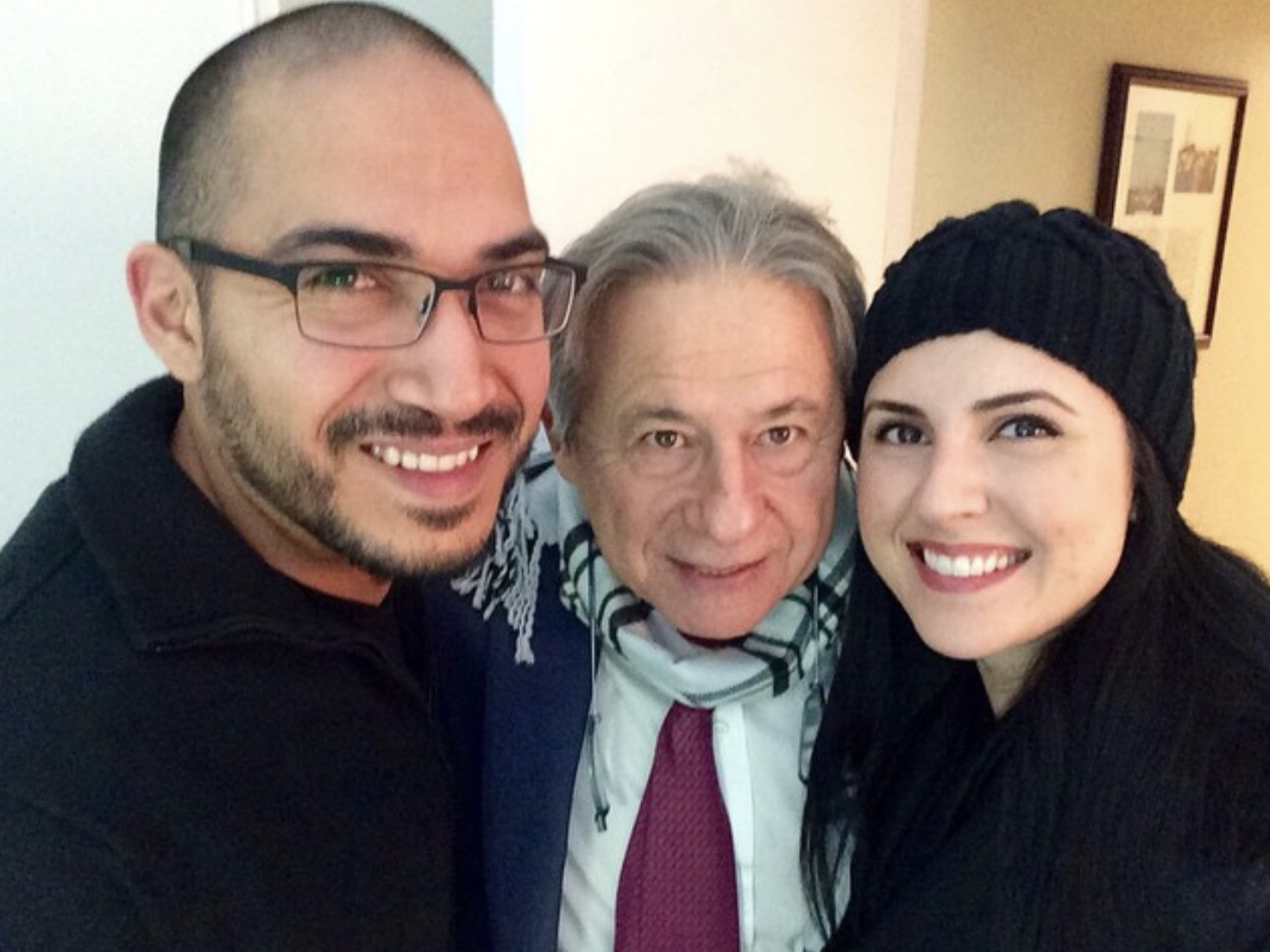
Five days after my second endometriosis surgery, with my husband and Dr. Tamer Seckin in New York. More endometriosis had been found and completely excised through deep excision surgery—a moment of profound relief, gratitude, and renewed hope.
And within a month, I noticed my health beginning to improve.
Month after month, my body felt like it was healing. I began to experience a renewed sense of vitality, steadiness, and hope.
I also want to share that between those two surgeries, I did a lot to support my body.
I changed how I nourished myself. I ate an anti-inflammatory, whole-foods diet. I kept a consistent yoga practice that helped me feel good from the inside out. I was not trying to “fix” myself through lifestyle changes, and I do not believe lifestyle alone is always enough.
For me, medical intervention was absolutely necessary.
But I also believe my body needed support before, during, and after that intervention. I needed care that included my whole self — my physical body, my nervous system, my fear, my hope, and my desire to live a fuller life.
That is why I want women with endometriosis to know this:
You are allowed to seek a medical care team you truly trust.
You are allowed to get a second opinion.
You are allowed to ask what kind of surgery is being recommended, what technique will be used, how thoroughly your surgeon treats endometriosis, and what kind of support you may need before and after surgery.
You are allowed to bring someone with you — a husband, partner, parent, sibling, or friend — someone who can listen with you, take notes, ask questions, and help you remember what was said when your own nervous system feels overwhelmed.
You are allowed to walk away from an appointment and ask yourself:
Did I feel rushed?
Did I feel heard?
Did this doctor take my pain seriously?
Did they explain my options clearly?
Did I feel like a whole person in the room, or only a condition to be treated?
A good medical care team does not need to be perfect. But there should be a sense of respect, clarity, skill, and connection.
Because when you have lived for years in a body that has been misunderstood, dismissed, or minimized, trust matters.
Being believed matters.
Feeling safe enough to ask questions matters.
This is not about rejecting medicine. My story is the opposite. Surgery changed my life. The right medical care was a vital part of my healing.
But I now understand that medical care is not only about the procedure.
It is also about the relationship.
It is about the way a doctor listens. It is about the way information is explained. It is about whether your body feels like it is being handled with care. It is about whether you leave feeling more grounded, not more alone.
If you are searching for answers, preparing for surgery, or wondering whether the care you are receiving is truly right for you, I want you to know:
You do not have to abandon your inner knowing in order to receive medical help.
You can honor both.
You can listen to your doctor and listen to your body. You can receive medical intervention and support your whole self. You can seek expertise and still ask questions. You can be grateful for a diagnosis and still want a second opinion. You can be afraid and still take the next right step.
There is another way.
One where your pain is believed. One where your questions are welcome. One where your body is not treated like a problem to silence, but as a wise messenger asking for the right kind of care.
And sometimes, the beginning of healing is not only finding the right diagnosis.
Sometimes it begins with finding the right people to walk with you.
References & Resources
This reflection shares my personal experience and is not intended as medical advice. If you suspect you may have endometriosis, are preparing for surgery, or are unsure about the care you are receiving, please consult with a qualified medical professional and consider seeking a second opinion from a physician experienced in endometriosis care.
For general information about endometriosis diagnosis and treatment, the American College of Obstetricians and Gynecologists shares that treatment may include medication, surgery, or both, and that pain can sometimes return after surgery. ACOG
Mayo Clinic also emphasizes that endometriosis treatment is individualized and may include medication, hormone therapy, and surgery depending on a person’s symptoms, goals, and overall health. Mayo Clinic
For more information about surgical approaches, EndoFound explains the difference between ablation/cauterization and excision, including the importance of understanding how endometriosis lesions are being treated. endofound.org
Padma Lakshmi’s public advocacy for endometriosis awareness, along with her co-founding of EndoFound with Dr. Tamer Seckin, helped bring greater visibility to the disease and was part of what led me to seek another opinion in my own journey. endofound.org
